Netflix Pulls Plug on Casting to Newer Devices: What You Need to Know
In a quiet yet impactful move, the streaming giant Netflix has discontinued its casting feature for mobile fans with newer Chromecast and Google TV devices. This sudden change, spotted by users in recent weeks, redefines how viewers will interact with their screens. According to Android Authority, the change has already left countless users frustrated.
A Surprise Left Hook for Chromecast and Google TV Users
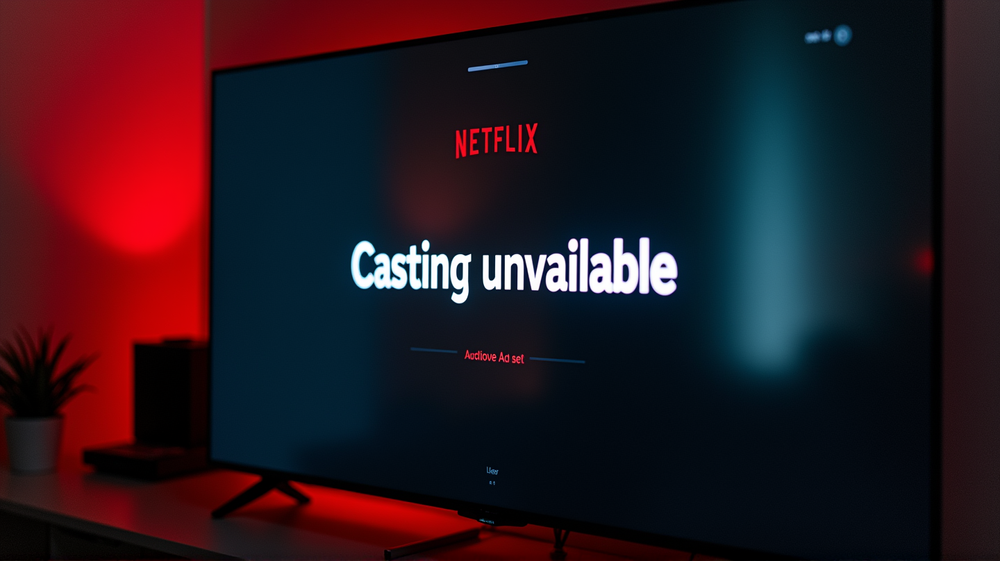
A well-loved feature by many, the ability to cast Netflix content directly from a mobile phone to the big screen, has been abruptly limited. Those with Chromecast with Google TV, as well as Google TV Streamer users, will now find the Cast button missing from their apps. A notification advising the use of device remotes instead has been the lamest assurance so far.
A Glimpse Into The Logic: Improving Customer Experience
Netflix’s support page reveals a shift in functionality, asserting that casting is preserved only for legacy Chromecast devices and Google Cast-supported TVs. The service points to an initiative to enhance viewer satisfaction, but many are left struggling with the absence of this user-friendly feature. “If it has its own remote, you can’t cast,” explains a Netflix rep.
What’s Unchanged and What’s Gone
Earlier insights pointed out how plans, like Standard with ads, had unique constraints. Nowadays, even these configurations have quested to detangle confusion. Non-ad-supported subscribers on older devices rejoice, their casting capabilities remain intact. But the constraints on newer devices still prevail, regardless of subscription levels.
Netflix’s Impact on User Experience
This unexpected move has stirred a buzz, aligning user conversations across platforms like Reddit. Discussions soar about the fading simplicity that casting once provided. The implications are more monumental for users accustomed to swift content maneuverability via mobile engagement.
In summation, Netflix’s realignment spurred controversy over customer convenience against evolving device compatibility. As it stands, one thing is sure: the ripple effect from this decision warrants attention for streaming enthusiasts who cherished their seamless casting moments.