Unveiling the Connection: Body Image, Motivation, and Physical Activity
In a groundbreaking study published by BMC Psychology, researchers delve deep into uncovering the complex relationship between body image, motivational regulation, and physical activity, shedding light on how these interconnected elements vary between men and women. The findings provide pivotal insights with implications for policymakers in promoting healthier lifestyles.
Discovering Hidden Links
The study set out to unravel whether motivational regulations serve as a crucial mediator between people’s perceptions of their body image and their engagement in physical activity. Using a large sample of Spanish adults, the research applied advanced structural equation modeling to highlight these subtle dynamics.
Methodological Approach
The investigation incorporated comprehensive assessments using renowned questionnaires like the Multidimensional Body Self-Relations Questionnaire (MBSRQ) and Behavioural Regulation Exercise Questionnaire (BREQ-3). This approach afforded a nuanced understanding of the psychosocial factors influencing exercise participation.
Intriguing Gender Differences
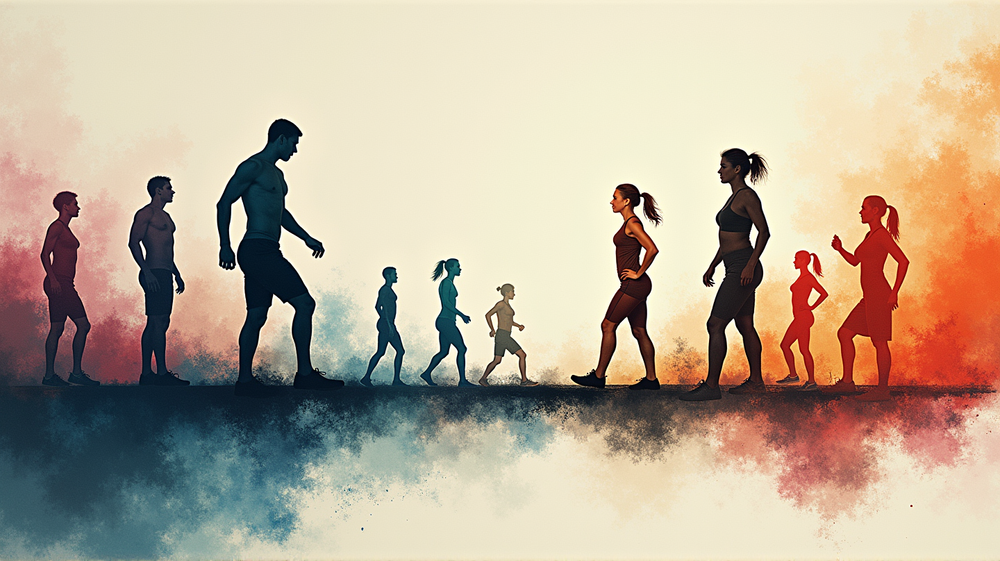
A notable revelation from the research was the pronounced differences between men and women. Whereas men’s physical activity related strongly to intrinsic and integrated motivations, women’s activities were more influenced by identified and amotivated regulations. This critical distinction calls for tailored interventions across genders.
Bridging Body Image and Activity
The concept of motivation acting as a bridge between body image and physical activity participation casts new light on designing intervention programs. By shifting the focus from appearance-based incentives to intrinsic motivations such as enjoyment and personal interest, the study suggests enhancing engagement in sustained physical activity.
Practical Applications
These insights open doors for creating more effective health policies and intervention programs. By acknowledging motivational differences by gender, health practitioners can develop targeted strategies that not only promote physical activity but also foster a positive body image and improved mental well-being. As stated in BMC Psychology, “Promoting intrinsic and integrated motivation may foster more sustainable physical activity, moving beyond appearance-based goals.”
Future Research Directions
While offering substantial insights, the study also identifies gaps in current research, recommending future studies to adopt longitudinal designs for causal inference. Expanding on diverse population samples, including varied gender identities, could enrich the understanding of this pivotal health domain further.
Embark on this intriguing exploration of the mediating role of motivation in the nexus between body image and physical activity—a study that not only deepens the academic discourse but also holds the potential to catalyze significant societal health benefits.